
Top 5 Qualities of an Excellent Security Guard (What to Look For)
Professional security guard in Brisbane showcasing excellent qualities
When selecting security personnel for your Brisbane, Gold Coast, or Sunshine Coast property, understanding what makes an excellent security guard can mean the difference between robust protection and costly security failures. The security industry in Queensland has witnessed significant growth, with professional guards now serving as the first line of defence for businesses, events, and residential complexes across South East Queensland.
The right security guard possesses more than just physical presence – they demonstrate a carefully balanced combination of professional skills, personal integrity, and situational awareness that transforms them from mere observers into proactive protectors of people and property.
Quick Takeaways
- Alertness and vigilance form the foundation of effective security work, enabling guards to detect and prevent threats before they escalate
- Strong communication skills allow guards to de-escalate conflicts, coordinate with teams, and provide clear instructions during emergencies
- Physical and mental fitness ensures guards can handle demanding situations and maintain peak performance throughout long shifts
- Integrity and professionalism build trust with clients and create reliable security operations that protect both people and assets
- Problem-solving abilities enable guards to make quick, informed decisions when facing unexpected security challenges
- Proper training and certification through programs like the Certificate II in Security Operations provide the legal foundation and professional skills needed for Queensland security work
The Critical Role of Security Guards in Queensland
Security guards in Queensland face unique challenges across diverse environments, from bustling Brisbane city centres to tourist-heavy Gold Coast venues and the expanding commercial districts of the Sunshine Coast. The role extends far beyond traditional “watching and waiting” to encompass customer service, emergency response, and complex problem-solving in real-time situations.
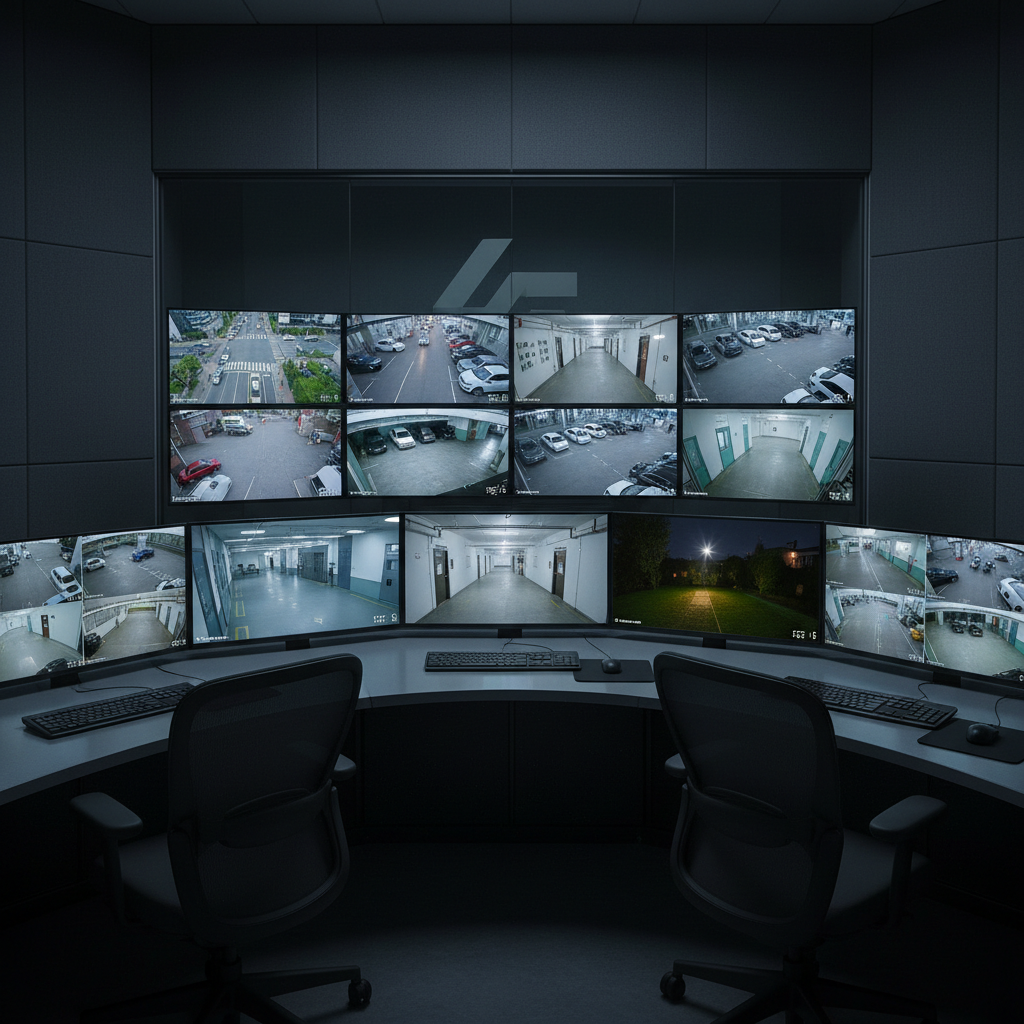
Modern security professionals must navigate everything from managing crowd control at major events to providing first aid during medical emergencies, all while maintaining the professional demeanour that reflects positively on their employing organisation. With Queensland licensing requirements setting minimum standards, the best guards consistently exceed these baselines through continuous skill development and professional dedication.
1. Alertness and Vigilance: The Foundation of Effective Security

Security guard demonstrating alertness and vigilance
The cornerstone quality that separates exceptional security guards from adequate ones lies in their ability to maintain constant alertness and situational awareness. This heightened state of vigilance enables guards to detect potential problems before they develop into serious security incidents.
Mastering Situational Awareness
Excellent security guards develop what security professionals call “environmental scanning” – the systematic observation of their surroundings to identify anything unusual or potentially threatening. This involves:
Pattern Recognition: Understanding normal activity patterns within their assigned area and quickly identifying deviations that might signal problems. A skilled guard notices when regular visitors behave differently or when unauthorised individuals attempt to blend in with legitimate activities.
Multi-sensory Observation: Rather than relying solely on visual cues, top-tier guards utilise all their senses to gather information about their environment. They listen for unusual sounds, notice changes in crowd behaviour, and remain alert to environmental factors that might indicate developing situations.
360-Degree Awareness: Professional guards avoid tunnel vision by regularly scanning their entire area of responsibility, checking blind spots, and maintaining awareness of escape routes and emergency procedures.
Proactive Threat Detection
The best security guards don’t just react to incidents – they prevent them through proactive observation and early intervention. This involves:
- Identifying suspicious behaviour patterns before they escalate into criminal activity
- Recognising environmental hazards that could create safety risks
- Monitoring access points to prevent unauthorised entry
- Maintaining awareness of crowd dynamics during events or busy periods
Research indicates that security guards with well-developed observational skills can reduce security incidents by up to 70% through early detection and intervention.
2. Exceptional Communication Skills

Security guards demonstrating excellent communication skills
Communication forms the backbone of professional security work, with studies showing that effective verbal skills can reduce the need for physical intervention by up to 80%. Security guards must master multiple forms of communication to succeed in their diverse responsibilities.
Verbal Communication Excellence
De-escalation Techniques: Professional guards learn to use calm, clear language to defuse tense situations before they escalate into confrontations. This involves speaking in measured tones, using non-confrontational language, and demonstrating empathy while maintaining authority.
Clear Instruction Delivery: During emergencies or routine security procedures, guards must provide unambiguous directions that people can quickly understand and follow. This includes evacuation instructions, access control directions, and safety protocols.
Professional Reporting: Security guards must communicate incidents clearly to supervisors, law enforcement, and emergency services. This requires the ability to provide factual, chronological accounts without emotional embellishment or personal interpretation.
Non-Verbal Communication Mastery
Body language comprises 55% of overall communication effectiveness, making non-verbal skills critical for security professionals. Excellent guards understand how to:
- Project confidence and authority through posture and positioning
- Use open, non-threatening gestures while maintaining readiness
- Read others’ body language to assess potential threats or distress
- Maintain a professional appearance that builds trust and respect
Active Listening Skills
Top security guards practice active listening by maintaining eye contact, asking clarifying questions, and demonstrating that they understand concerns raised by visitors, employees, or colleagues. This approach builds cooperation and often prevents minor issues from developing into major conflicts.
3. Physical and Mental Fitness

Physical fitness requirements for security guards
The demanding nature of security work requires guards to maintain both physical and mental fitness throughout their careers. Security positions often involve long periods of standing or walking, punctuated by sudden bursts of intense activity that demand peak physical performance.
Physical Fitness Requirements
Cardiovascular Endurance: Guards must be capable of sustained activity, including extended periods of patrolling and the ability to respond quickly to emergencies across large areas. Many Queensland security positions require guards to walk several kilometres during each shift.
Strength and Mobility: Physical confrontations, while uncommon, may require guards to restrain individuals or move obstacles during emergencies. Basic strength training helps guards perform these tasks safely and effectively.
Reaction Time and Agility: Security situations can change rapidly, requiring guards to move quickly and safely through various environments. This includes navigating crowded areas during evacuations or responding to alarms in multi-level buildings.
Mental Fitness and Resilience
Stress Management: Security guards face unique psychological pressures, including the responsibility for others’ safety and the need to remain alert during long, sometimes monotonous shifts. Mental fitness training helps guards maintain focus and make sound decisions under pressure.
Critical Thinking Under Pressure: The best guards can process information quickly and make informed decisions when facing unexpected situations. This mental agility separates competent guards from exceptional ones.
Emotional Regulation: Professional guards maintain composure during high-stress incidents, avoiding emotional reactions that could escalate conflicts or compromise safety.
The Queensland security industry recognises the importance of fitness, with many employers implementing regular fitness assessments to ensure guards can meet the physical demands of their roles.
4. Integrity and Professionalism

Integrity and professional reporting standards
Integrity serves as the foundation of trust between security guards and their clients, colleagues, and the public they serve. This quality encompasses honesty, reliability, and ethical conduct in all professional situations.
Professional Honesty and Trustworthiness
Accurate Reporting: Excellent security guards provide truthful, detailed reports of all incidents, even when the facts might reflect poorly on their own performance. This honesty protects both the guard and their employer from legal complications while ensuring proper documentation for insurance and law enforcement purposes.
Confidentiality Management: Security guards often have access to sensitive information about businesses, residents, or visitors. Professional guards maintain strict confidentiality while sharing necessary information with appropriate parties during legitimate security needs.
Financial Integrity: Guards frequently work in environments with valuable assets or handle situations involving money. Exceptional guards demonstrate absolute honesty in these situations, understanding that any breach of trust can end their security career permanently.
Professional Appearance and Conduct
Uniform Standards: Professional guards maintain clean, pressed uniforms and proper grooming that reflect positively on their employer and build public confidence. This attention to detail demonstrates pride in their work and respect for their professional role.
Punctuality and Reliability: Consistent attendance and punctual shift changes are fundamental to security operations. When guards fail to appear on time, they leave properties unprotected and create operational difficulties for their colleagues.
Ethical Decision-Making: Security guards face various ethical challenges, from handling conflicts of interest to making decisions about when to involve law enforcement. Professional guards consistently choose actions that prioritise safety and legal compliance over personal convenience.
Building Public Trust
The security industry’s reputation depends heavily on individual guards’ professional conduct. Guards who demonstrate integrity in small daily interactions build the public trust that makes their job more effective and creates positive relationships with the communities they serve.
5. Problem-Solving and Critical Thinking Abilities

Professional conflict resolution and problem-solving skills
Modern security work demands guards who can think critically and solve problems independently while working within established protocols and legal boundaries.
Analytical Problem-Solving Skills
Threat Assessment: Excellent guards can quickly evaluate situations to determine the level of risk and appropriate response. This involves considering multiple factors simultaneously, including the number of people involved, environmental conditions, and available resources.
Resource Management: Security guards often work with limited resources and must make strategic decisions about how to deploy their time and attention most effectively. This might involve prioritising multiple simultaneous incidents or determining when to call for backup assistance.
Creative Solutions: The best guards can think beyond standard procedures when facing unusual situations. While maintaining adherence to legal and company policies, they find innovative approaches to resolve conflicts and maintain security.
Decision-Making Under Pressure
Rapid Information Processing: Security incidents often develop quickly, requiring guards to gather and process information rapidly to make informed decisions. This skill improves with experience and proper training in emergency procedures.
Risk-Benefit Analysis: Professional guards constantly weigh the risks and benefits of different response options, choosing actions that maximise safety while minimising potential legal or physical complications.
Adaptability: Security situations rarely unfold exactly as anticipated, requiring guards to adapt their approach based on changing circumstances. Flexibility combined with sound judgment allows excellent guards to handle unpredictable situations effectively.
Collaborative Problem-Solving
Security guards rarely work in complete isolation and must coordinate with team members, management, emergency services, and law enforcement to resolve complex situations. This requires clear communication of problems and proposed solutions to ensure coordinated responses.
Training and Certification Requirements in Queensland

Training and certification requirements for security guards
Queensland maintains strict licensing requirements for security guards, with the Certificate II in Security Operations (CPP20218) serving as the mandatory qualification for entry into the profession.
Mandatory Training Components
Legal Knowledge: Guards must understand their legal powers and limitations, including when they can detain individuals and how to interact properly with law enforcement. This training prevents legal problems that could affect both the guard and their employer.
Emergency Response Procedures: Professional training covers first aid, evacuation procedures, and coordination with emergency services. These skills often prove critical during medical emergencies or natural disasters.
Communication and Conflict Resolution: Formal training programs emphasise de-escalation techniques and professional communication methods that help guards prevent minor disagreements from becoming serious incidents.
Ongoing Professional Development
The security industry continues evolving, with new technologies and changing threat patterns requiring guards to update their skills regularly. The best guards pursue additional training in:
- Advanced first aid and emergency response
- Technology integration and surveillance systems
- Specialised areas like crowd control or cash-in-transit operations
- Customer service skills for public-facing roles
Industry Certifications and Specialisations
Beyond basic licensing, guards can pursue specialised certifications that open doors to higher-paying positions and expanded responsibilities. These might include armed security endorsements, crowd control qualifications, or specialised training for high-risk environments.
The Importance of Choosing the Right Security Provider
When hiring security services for your Brisbane, Gold Coast, or Sunshine Coast property, the quality of individual guards reflects directly on the company providing them. Professional security companies invest heavily in recruiting, training, and retaining guards who demonstrate all five essential qualities consistently.
What to Look for in Security Companies
Comprehensive Training Programs: Choose companies that exceed minimum training requirements and provide ongoing professional development for their guards. Companies that invest in their personnel typically deliver superior service quality.
Rigorous Screening Processes: Professional security companies conduct thorough background checks and verify all certifications before deploying guards to client sites. This screening helps ensure that only qualified, trustworthy individuals represent the company.
Clear Performance Standards: The best security companies establish clear expectations for guard performance and regularly monitor adherence to these standards through site inspections and client feedback.
Questions to Ask Potential Security Providers
When evaluating security companies, ask specific questions about:
- How they screen and select security guards
- What ongoing training do they provide beyond the minimum requirements
- Their procedures for handling guard performance issues
- How do they ensure guards maintain required certifications
- Their approach to matching guards with specific client needs
**
Frequently Asked Questions
Frequently Asked Questions
What qualifications does a security guard need in Queensland?
In Queensland, security guards must complete the Certificate II in Security Operations (CPP20218) and obtain a security licence from the Office of Fair Trading. They must also be at least 18 years old, pass background checks, and hold current first aid certification. Additional endorsements may be required for specialised roles like crowd control or armed security.
How much does it cost to hire a security guard in Brisbane?
Security guard costs in Brisbane vary based on experience level, shift timing, and specific requirements. Standard unarmed guards typically range from $25-35 per hour, while armed or specialised guards command higher rates. Event security and weekend/holiday shifts usually carry premium pricing. Contact local security providers for accurate quotes based on your specific needs.
What is the difference between a security guard and a security officer?
The terms are often used interchangeably, but ‘security officer’ typically implies higher training levels and responsibilities. Security officers may have supervisory duties, specialised training, or work in higher-risk environments. Both roles require proper Queensland licensing, but security officers often hold additional certifications and command higher wages due to expanded responsibilities.
Can security guards make arrests in Queensland?
Security guards in Queensland have the same powers of arrest as any citizen under common law – they can make a citizen’s arrest for indictable offences they witness or have reasonable grounds to believe occurred. However, they cannot arrest for minor offences and must immediately hand detained persons over to the police. Proper training in legal limitations is essential to avoid liability issues.
What industries need security guards most in South East Queensland?
High-demand sectors include retail centres, construction sites, hospitals, educational institutions, hospitality venues, residential complexes, and special events. The growing tourism industry along the Gold Coast and increased development across Brisbane and the Sunshine Coast create consistent demand for professional security services across multiple sectors.
For additional information about security guard qualifications and industry standards, consult these authoritative sources:
- Australian Security Industry Association Limited (ASIAL) – Peak industry body providing professional standards and career guidance
- Queensland Office of Fair Trading – Official licensing authority for security professionals in Queensland
- Jobs Queensland – Government employment resource with security career information
- Australian Bureau of Statistics – Employment data and industry trends for security services
- Safe Work Australia – Workplace health and safety guidelines for security professionals
Read: Ultimate Guide to Hiring Security Guards in Queensland
Leave a Comment Cancel Reply
You must be logged in to post a comment.
Prosafe Security
ProSafe Security is a leading security services provider in Australia, offering comprehensive protection solutions for businesses and events.
Learn more about us →Need Professional Security Services?
Get a free quote from ProSafe Security Services today.
Get a Free Quote