
Security Guard vs Bouncer: Training Differences and Professional Roles in Queensland
Featured image comparing security guards and bouncers in Brisbane
The security industry continues to expand across Brisbane, the Gold Coast, and the Sunshine Coast, creating confusion about the differences between security guards and bouncers. While many people use these terms interchangeably, these two roles have distinct training requirements, responsibilities, and career paths. Security guards undergo comprehensive certification through Queensland government licensing, whilst crowd controllers (commonly called bouncers) require additional specialised training for venue-specific environments.
Quick Takeaways
- Security guards complete the CPP20218 Certificate II in Security Operations, covering 14 core module,s whilst crowd controllers need the same qualification plus specialised venue training
- Security guards earn an average of \$39.90 per hour in Brisbane, with crowd controllers often commanding higher rates during peak venue hours
- Both roles require mandatory first aid certification and ongoing professional development every three years in Queensland
- Security guards work across diverse environments, including retail, corporate, and residential settings, whilst crowd controllers focus primarily on licensed venues and entertainment establishments
- Career progression opportunities differ significantly, with security guards advancing to supervisory roles and crowd controllers specialising in venue management
- Physical intervention training varies between roles, with crowd controllers receiving more intensive conflict resolution and physical restraint techniques
- Queensland licensing requirements are identical for both roles, but venue-specific endorsements create distinct professional pathways
Training Requirements: The Foundation of Professional Security

Security guard training requirements diagram
Certificate II in Security Operations: Core Training for All
Both security guards and crowd controllers must complete the CPP20218 Certificate II in Security Operations, which serves as the foundation qualification for the Queensland security industry. This nationally recognised qualification includes 14 core competency modules covering communication skills, legal procedures, risk assessment, and emergency response protocols.
Training providers across Brisbane, the Gold Coast, and the Sunshine Coast deliver this course over approximately eight days of face-to-face instruction plus 20 days of self-paced learning. Students must be at least 18 years old and demonstrate basic literacy and numeracy skills to enrol.
Specialised Crowd Control Training Components
Crowd controllers receive additional training modules beyond the basic security operations qualification. The Queensland Office of Fair Trading requires completion of specialised units, including conflict management through negotiation and empty-hand control techniques.
This enhanced training addresses the unique challenges of managing intoxicated patrons, de-escalating confrontational situations, and maintaining order in high-energy entertainment environments. The additional modules typically require an extra two to three days of intensive practical training.
Work Environment Differences

Work environment comparison between security guards and bouncers
Security Guard Work Settings
Security guards operate across diverse environments, including shopping centres, corporate offices, residential complexes, hospitals, and construction sites. Their responsibilities encompass property protection, access control, surveillance monitoring, and emergency response coordination. Unified Security Guard research indicates that security guards handle a broader scope of responsibilities compared to venue-specific crowd controllers.
The role demands adaptability to various client needs, from conducting patrol rounds to managing visitor registration systems. Security guards often work independently or in small teams, requiring strong decision-making skills and comprehensive knowledge of security protocols.
Crowd Controller Venue Environments
Crowd controllers primarily work in licensed premises, including nightclubs, bars, sporting events, concerts, and festivals. Their focus centres on patron behaviour management, age verification, and maintaining venue safety standards. The BARS Training Australia programme recognises that crowd controllers face unique challenges in alcohol-fuelled environments requiring specialised intervention techniques.
These professionals must navigate complex social dynamics whilst enforcing venue policies and legal compliance. The role demands strong interpersonal skills, cultural sensitivity, and the ability to remain calm under pressure in potentially volatile situations.
Salary Expectations Across Queensland Regions

Salary comparison between security guards and crowd controllers
Security Guard Compensation Structure
Security guards in Brisbane earn an average of $39.90 per hour, with statewide Queensland averages reaching $42.30 per hour according to recent salary data. Entry-level positions typically start at $22-25 per hour, whilst experienced professionals can earn $30-35 per hour or more.
The Security Services Industry Award establishes minimum wage standards, with Level 1 security officers receiving $27.13 per hour and Level 2 officers earning $27.91 per hour as base rates. Penalty rates apply for night shifts, weekends, and public holidays, often increasing hourly rates by 25-50%.
Crowd Controller Earnings Potential
Crowd controllers often command higher hourly rates than general security guards, particularly in premium venues and during peak entertainment periods. Weekend night shifts at popular Brisbane, Gold Coast, and Sunshine Coast venues can exceed \$45-50 per hour, including penalty rates.
The demanding nature of venue work, irregular hours, and specialised skill requirements contribute to enhanced compensation packages. Many crowd controllers supplement their income through private event security, corporate functions, and festival work.
Licensing and Certification Requirements

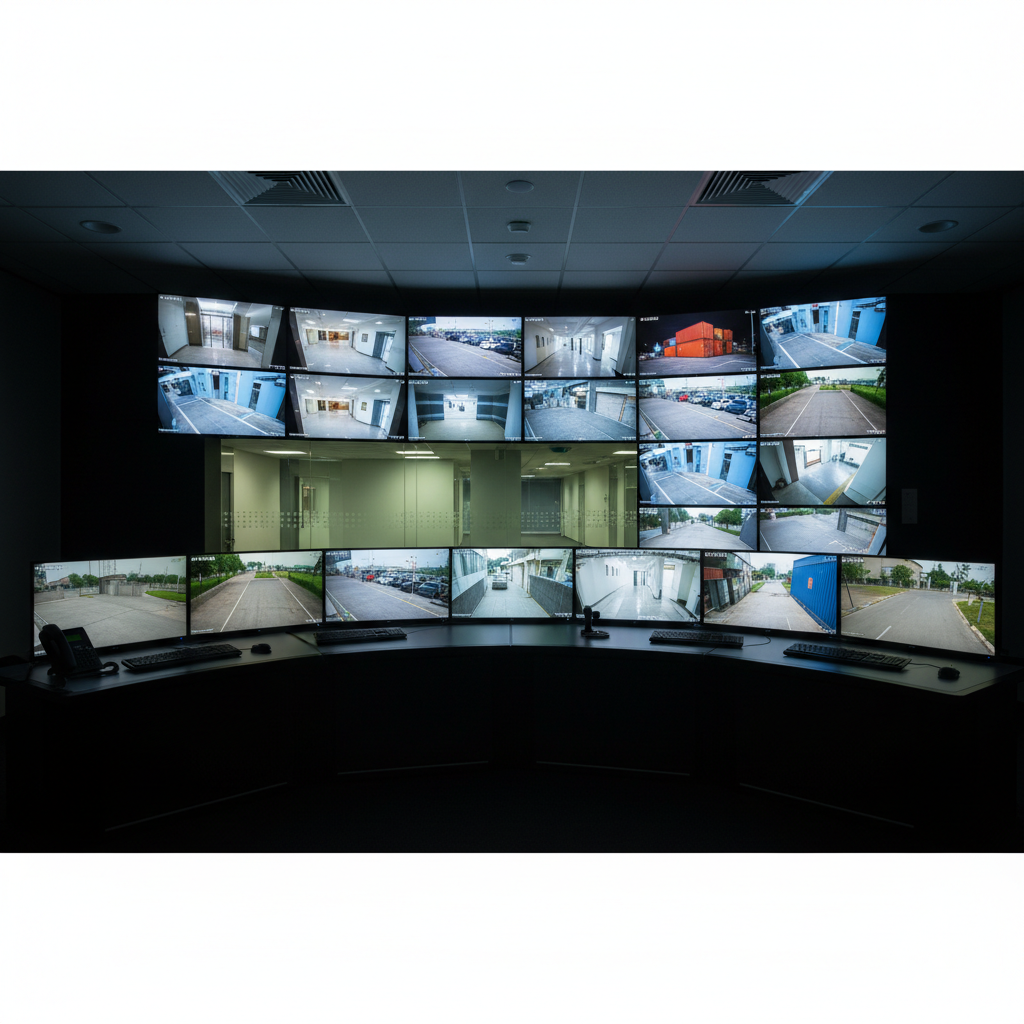
Queensland security licensing timeline and requirements
Queensland Security Provider Licence Class 1
Both security guards and crowd controllers must obtain a Queensland Security Provider Licence Class 1 through the Office of Fair Trading. The application process includes criminal history checks, fingerprinting, identity verification, and proof of completed training.
Applicants must demonstrate they “do not pose a risk to public safety,” which excludes individuals convicted of disqualifying offences within the past ten years. The licensing process typically takes 4-6 weeks and costs approximately \$200-300, including application fees and background checks.
First Aid and Ongoing Training Obligations
Queensland security workers must hold current HLTAID011 Provide First Aid certification, with CPR components requiring annual renewal. This mandatory training ensures security professionals can respond effectively to medical emergencies.
Licensed crowd controllers must complete refresher training every three years, including conflict management and physical intervention updates. The Queensland Office of Fair Trading mandates this ongoing education to maintain current industry knowledge and safety standards.
Physical Intervention and Legal Authority
Use of Force Guidelines
Security guards operate under strict legal frameworks regarding physical intervention. They possess citizen’s arrest powers but must demonstrate reasonable grounds and proportionate responses. Queensland security legislation clarifies that security personnel do not have police powers but can detain individuals under specific circumstances.
Training emphasises de-escalation techniques, verbal intervention strategies, and when to contact law enforcement. Physical force remains a last resort option, requiring detailed incident reporting and potential legal scrutiny.
Crowd Control Physical Techniques
Crowd controllers receive enhanced physical intervention training, including empty-hand control techniques, restraint methods, and defensive tactics. The specialised nature of venue work necessitates more hands-on approaches to managing disruptive behaviour.
However, industry research indicates that crowd controllers face higher liability risks due to increased physical interaction with patrons. Professional training emphasises legal compliance, minimal force principles, and comprehensive incident documentation.
Career Progression Pathways

Career pathways in security industry diagram
Security Industry Advancement Opportunities
Security guards can progress through various specialisation pathways, including armed security, close protection, transport security, and security management roles. The Asset Training Australia programme outlines advancement opportunities leading to supervisory positions, training roles, and private investigation careers.
Advanced certifications such as Certificate III in Security Operations, Certificate IV in Security Management, and specialised endorsements for aviation security or government facilities expand career prospects and earning potential.
Crowd Control Specialisation Routes
Crowd controllers can advance to venue management, event security coordination, and specialised crowd management consulting roles. The experience gained in high-pressure entertainment environments translates well to major event security, VIP protection, and corporate security management positions.
Many experienced crowd controllers establish their own security consultancies, providing venue assessments, staff training, and crowd management planning services for entertainment industry clients.
Skills and Competency Requirements

Skills matrix comparing security guards and crowd controllers
Core Security Skills Development
Security guard training develops surveillance techniques, report writing, emergency procedures, and customer service capabilities. The diverse work environments require adaptability, attention to detail, and strong communication skills across various client demographics.
Technology integration plays an increasing role, with security professionals learning CCTV operation, access control systems, alarm monitoring, and digital reporting platforms. The Security Providers Association of Australia Limited reports growing demand for technologically proficient security professionals.
Specialised Crowd Management Abilities
Crowd controllers develop advanced interpersonal skills, cultural competency, and psychological awareness to manage diverse patron groups effectively. Training encompasses alcohol-related incident management, group dynamics understanding, and crisis intervention techniques.
The role demands physical fitness, situational awareness, and the ability to remain professional under extreme pressure. Effective crowd controllers combine authoritative presence with diplomatic communication skills to maintain venue safety without escalating tensions.
Legal and Professional Standards
Regulatory Compliance Requirements
Both security guards and crowd controllers must comply with Queensland security industry regulations, workplace health and safety standards, and venue-specific licensing conditions. The security industry generates approximately $13.9 billion annually across Australia, highlighting the sector’s economic significance and regulatory oversight importance.
Professional conduct standards include confidentiality obligations, incident reporting procedures, and continuous professional development requirements. Violations can result in licence suspension, industry exclusion, and legal consequences.
Insurance and Liability Considerations
Security companies typically provide professional indemnity insurance covering employee actions, whilst individual practitioners may require personal coverage. Crowd controllers face higher liability exposure due to increased physical interaction risks and potential assault claims.
Understanding legal boundaries, documenting interactions comprehensively, and following established protocols helps mitigate professional risks and maintain industry standing.
Choosing the Right Career Path
Personal Suitability Assessment
Prospective security professionals should evaluate their temperament, physical capabilities, and career objectives when choosing between general security or crowd control specialisation. Security guard roles suit individuals preferring varied work environments, regular hours, and lower physical confrontation risks.
Crowd control appeals to people comfortable with nightlife environments, irregular schedules, and higher-intensity interpersonal interactions. Both paths offer stable employment opportunities across Queensland’s growing security sector.
Training Provider Selection
Queensland offers numerous approved training providers for security operations certification. Factors to consider include course delivery methods, trainer experience, government funding eligibility, and post-graduation employment support services.
Reputable providers include Asset Training Australia, BARS Training Australia, Skills Training College, and Australian Training Institute, each offering comprehensive programmes tailored to industry requirements.
Frequently Asked Questions
Frequently Asked Questions
What is the main difference between security guard and bouncer training in Queensland?
Both roles require the same CPP20218 Certificate II in Security Operations qualification; however, crowd controllers (also known as bouncers) require additional specialised training in conflict management, including negotiation and empty-hand control techniques. Security guards focus on general property protection and surveillance, whilst crowd controllers specialise in venue-specific patron management and crowd behaviour control.
How long does security guard training take in Brisbane and the surrounding areas?
The Certificate II in Security Operations typically requires eight days of face-to-face instruction plus 20 days of self-paced learning through workbooks or online modules. Crowd controllers need additional training days for specialised venue management techniques. Most training providers offer flexible scheduling options, including classes on weekends and evenings.
Can security guards work as crowd controllers without additional training?
No, security guards must complete additional crowd control modules to work in licensed venues. The Queensland Office of Fair Trading requires specific training in managing intoxicated persons, conflict resolution techniques, and empty-hand control methods before adding crowd control functions to security licences.
What are the salary differences between security guards and bouncers in Queensland?
Security guards in Brisbane earn an average of $39.90 per hour, whilst crowd controllers often earn higher rates, particularly during weekend nights and special events. Entry-level security positions start at $22-25 per hour, with experienced professionals earning $30-35 per hour plus penalty rates for unsociable hours.
Do both security guards and crowd controllers need ongoing training in Queensland?
Yes, both roles require ongoing professional development. All security professionals need annual CPR renewal and first aid certification updates. Licensed crowd controllers must complete refresher training every three years, including conflict management and physical intervention technique updates to maintain their Queensland security licence.
**
Read: Ultimate Guide to Hiring Security Guards in Queensland
Leave a Comment Cancel Reply
You must be logged in to post a comment.
Prosafe Security
ProSafe Security is a leading security services provider in Australia, offering comprehensive protection solutions for businesses and events.
Learn more about us →Need Professional Security Services?
Get a free quote from ProSafe Security Services today.
Get a Free Quote